
Top Islamic Schools: Nurturing Faith & Academics
Discover the top Islamic schools for your children in London, balancing academic excellence and strong Islamic values. Unlock a future of faith and success now!
ISLAMIC SCHOOL
Nipu
2/10/20266 min read
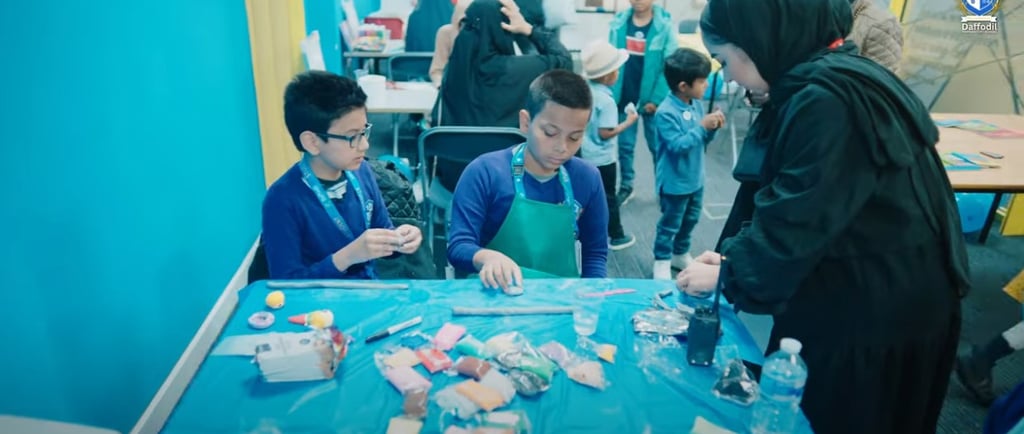
Top Islamic Schools for Your Children
Choosing the right school is one of the most stressful decisions for a parent. For Muslim families, there is an added layer: how do you find an Islamic school for your child that builds a positive identity and provides the academic excellence needed for university and beyond?
Many parents worry they must sacrifice top-tier academics for a values-driven Muslim learning environment. The good news is you do not have to. Today's leading Islamic schools are intentionally designed to excel in both, integrating rigorous university-prep curriculums with profound character development rooted in faith.
This guide provides a clear roadmap for choosing a school confidently, detailing what to look for on a tour and the right questions to ask about accreditation and culture. It is a tool for turning an overwhelming choice into an empowered decision for your family.
Will My Child Excel Academically? Balancing Modern Subjects with Islamic Studies
It is a common question parents ask when comparing an Islamic school to a state school: “Will my child fall behind in maths or science?” This concern is valid; you want an education that prepares them for university and a successful career. Fortunately, you do not have to choose between faith and a first-class academic foundation, as top Islamic schools are designed to deliver both.
The key to successfully balancing Quranic studies with secular subjects lies in one crucial word: accreditation. An accredited school is officially certified by an independent agency to meet high academic standards. This means it delivers the complete core curriculum—from algebra and biology to literature and history—that universities expect. Islamic studies are then thoughtfully integrated or added as distinct subjects, enriching the education rather than replacing essential components.
When you evaluate schools, think of accreditation as a non-negotiable seal of quality. A diploma from an accredited Islamic secondary school is recognised by universities nationwide, ensuring your child’s hard work translates into opportunities. Look for certification from major regional bodies like:
Cognia (formerly AdvancED)
Western Association of Schools and Colleges (WASC)
Middle States Association of Colleges and Schools (MSA-CESS)
What Is 'Tarbiyah'? Unpacking the Core of an Islamic Education
Beyond report cards and test scores, we all want our children to grow into kind, confident, and responsible individuals. This is where the Islamic concept of Tarbiyah comes in. More than just academics, Tarbiyah is the deep, intentional nurturing of a child’s character, ethics, and spirit. It is the school’s commitment to shaping not just great students, but great people, guiding them with compassion and wisdom. It is about building a strong internal moral compass that will serve them for a lifetime.
One of the most powerful ways schools achieve this is through an integrated curriculum. Instead of treating Islam as a stand-alone class, its principles are woven into the fabric of everyday learning. For instance, a science lesson on ecosystems might include a discussion on the Islamic value of being a steward (khalifah) of the Earth. A history class might analyse a leader’s choices through the lens of justice and integrity. This approach makes faith relevant to a child’s entire world.
Ultimately, this focus on Tarbiyah cultivates a unique school culture. It creates a supportive and positive social environment where lessons on empathy and respect are not just posters on a wall—they are practised daily by staff and students alike.
From Quran Memorisation to Arabic Fluency: Understanding the Islamic Studies Programme
While an integrated curriculum weaves Islamic values throughout the day, dedicated classes for core religious subjects remain a vital part of the schedule. For Quran studies, you will typically find two paths. Most students participate in a standard class focused on proper recitation, understanding key messages, and memorising shorter chapters. Some schools, however, also offer an optional Hifz track—a rigorous and specialised programme for students aiming to memorise the entire Quran. This is a significant commitment, distinct from the lessons one might find in a weekend-only madrasa.
Alongside the Quran, a strong Arabic programme is another hallmark. The primary goal is often to build a foundation in Quranic Arabic, helping students understand the language of their prayers and scripture. While some schools expand this to include conversational fluency, the focus is typically on comprehension for religious literacy. This empowers students to connect directly with their faith's foundational texts, rather than relying solely on translations.
These studies go beyond just text and language. A key component of the curriculum is the Seerah, the detailed life story of Prophet Muhammad (peace be upon him). Taught as both history and a source of inspiration, the Seerah provides a blueprint for ethical leadership, compassion, and resilience. By studying the lives of the prophets and other important figures, students gain powerful role models that reinforce the character-building goals of Tarbiyah.
Your 7-Point Checklist for Choosing the Right Islamic School
To choose the right school for your family, a structured approach makes all the difference. Think of your school search like a property inspection; you need to look beyond the fresh coat of paint and check the foundation. This checklist will help you evaluate each potential school systematically.
Your 7-Point Evaluation Checklist:
Accreditation & Licensing: Is the school recognised by a state or national accrediting body? This is a crucial indicator of academic legitimacy.
Teacher Qualifications: Are the academic teachers state-certified? What are the qualifications of the Islamic studies and Arabic teachers?
Curriculum Balance: Ask to see a weekly schedule. How much time is dedicated to core subjects like maths and science versus religious studies?
Tarbiyah in Action: Look beyond the mission statement. How do they handle discipline? How do students interact? This is where you see if their values are lived, not just laminated.
Extracurricular Activities: What opportunities exist for sports, arts, STEM clubs, and community service? A well-rounded education includes more than just classroom learning.
Parent Communication & Involvement: How does the school keep parents informed? Is there an active parent-teacher association you can speak with?
University & Career Preparedness: Where do graduates go? Ask about university acceptance rates and what support the school offers for secondary school students.
Using this framework on your school tours will transform your visits from passive viewings into active investigations.
Questions to Ask on Your School Tour That Reveal Everything
Asking the right questions separates a good tour from a great one. Instead of asking, “What’s your discipline policy?” try a more revealing question: “Can you share a recent example of how you helped two students resolve a conflict? What was the outcome?” This single question moves beyond theory and shows you how the school’s values—its Tarbiyah—truly function day-to-day.
Similarly, when assessing teacher quality, move past the simple "Are your teachers certified?" A much more insightful question is, “What’s the average teacher retention rate here?” A school where dedicated educators choose to stay year after year is often a sign of a healthy, supportive, and effective learning environment. High turnover can be a red flag, indicating potential issues with leadership, resources, or school culture that a brochure will never mention.
Listening carefully to the answers to these deeper questions will give you a powerful sense of the school’s true priorities, whether it's academic rigour, community harmony, or spiritual growth.
Finding the Right Fit: From Academically-Accelerated to Tarbiyah-Focused
Understanding a school’s priorities helps you identify its core philosophy. While all Islamic schools aim to nurture faith, they do not all approach education the same way, meaning you can find a school that truly aligns with your family’s specific goals.
Most Islamic private schools emphasise one of two main paths. Some are Academically-Accelerated, functioning like university-preparatory schools with a strong Islamic identity. Their goal is to position students for top universities through rigorous academics, AP courses, and competitive extracurriculars. Others are Tarbiyah-Focused, prioritising holistic character development. Here, the central goal is shaping compassionate, confident, and ethical individuals through dedicated Tarbiyah in education, with academics serving that greater purpose.
Neither approach is inherently better; the "best" school is the one that fits your child. Do you envision your child thriving in a high-achieving academic environment, or is your primary goal to build their moral compass and sense of community? Answering this question honestly will guide your search.
Making It Work: Exploring Online Options and Affordability
For many families, location or scheduling can be a significant barrier. An accredited online Islamic secondary school can be a game-changer, offering flexibility without sacrificing a values-based education. When vetting an online programme, ask about live teacher interaction and how the school actively builds a sense of community for its students from a distance.
Of course, the Islamic school cost is a major consideration. Do not let the sticker price be the final word. Many institutions are committed to becoming more affordable Islamic private schools and offer robust financial aid programmes. Always ask the admissions office directly about need-based scholarships, sibling discounts, or sliding-scale tuition plans that can make enrolment possible.
Ultimately, the decision comes down to weighing cost against the unique value an Islamic school provides—a supportive environment, integrated character development, and a strong sense of identity. This investment in your child's spiritual and academic foundation is deeply personal, but it's a choice you can now make with clarity.
Your Confident Choice: Building Your Child's Bright Future
Choosing the right school starts with reflecting on what matters most for your child—whether that is academic acceleration, deep character development, or Quranic fluency. With your family’s unique priorities as your guide, you can evaluate each school with purpose and clarity.
Your search for the right Muslim education is a deliberate process of finding the institution that truly aligns with your vision for your child’s future. Choosing an Islamic school is not about prioritising faith over academics; it is about choosing an environment where both can flourish together, helping to shape a confident, capable, and compassionate leader for tomorrow.
Daffodil Preparatory School
161-163 Commercial Road, Tower Hamlets, London, E1 2DA, United Kingdom
Your Local Independent School with Islamic Ethos
Growth
info@daffodilprepschool.org.uk
+44 020 45399 737,
+44 075 7053 6246
Copyright © 2026 Daffodil Preparatory School - All Rights Reserved.
Designed, Developed & Maintained By Blueprint Digital Dynamics
admin@daffodilprepschool.org.uk