
Top Islamic Schools in London: A Comprehensive Guide
Discover the top Islamic schools in London that blend academic excellence with strong moral values. Explore state-funded and private options to find the perfect fit for your family's needs.
ISLAMIC SCHOOL
Eman Ahmed
2/5/20265 min read
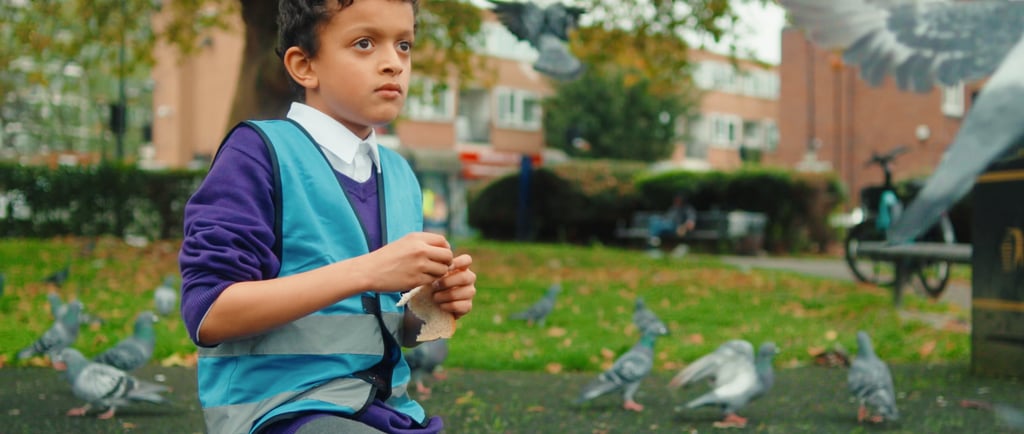
Exploring the Best Islamic Schools in London
Choosing the right school often feels like a difficult compromise: should you prioritise academic results or the strong moral values that shape a child for life? For many parents, this isn't a choice they want to make. They believe both are essential for raising well-rounded, successful young adults.
London's best Islamic schools aim to solve this challenge. They operate on a dual-focus principle, blending the rigour of the UK's National Curriculum with an environment grounded in faith. This means students are prepared for the same GCSEs and A-Levels as in any other school, but their education is also shaped by a clear ethical and spiritual compass, offering tangible benefits.
Navigating the options—from state-funded to private—can seem complex. This guide offers a clear roadmap, exploring what makes these institutions stand out, helping you evaluate them, and highlighting leading examples to give you the confidence to find the perfect fit for your family’s aspirations.
More Than Just a Name: What an 'Islamic Ethos' Really Means
A common question is whether an Islamic school can match the academic standards of other top schools. The answer is a resounding yes. Every accredited Islamic school in the UK follows the same National Curriculum as its state or independent counterparts. This ensures your child studies for the same GCSEs and A-Levels, preparing them for the rigours of university and the modern workplace.
What sets them apart is the ‘Islamic ethos’—a set of values that shapes the school’s entire culture. This isn't just about adding extra lessons; it's woven into daily life. It translates to practical things like dedicated prayer times, providing only halal food, and grounding the school's behaviour policy in principles of kindness, respect, and community service.
The school day is structured to include dedicated time for faith-based learning. Alongside core subjects like English and Science, students often have lessons in the Arabic language and Qur'anic studies. This supports a child’s Tarbiyyah—an approach focused on nurturing their moral and spiritual character alongside their intellect, creating a balanced educational experience.
This integrated curriculum develops well-rounded individuals who are both academically successful and confident in their British-Muslim identity. This approach is found across both state-funded and private Islamic schools, though how you access them—and what they cost—can be very different.
The Two Paths: State-Funded vs. Private Schools
You face a crucial crossroad in your search: choosing between a state-funded school and an independent (or private) one. The path you take will largely depend on your budget, location, and admissions preferences. Both routes can lead to an excellent education, but they operate very differently.
State-funded schools are part of the national education system, while independent schools operate as private businesses, which gives them more flexibility but comes at a cost. Here’s a simple breakdown:
State-Funded Voluntary Aided Schools
Cost: Free to attend.
Admissions: Follow local authority rules. Often have strict faith-based criteria and are heavily oversubscribed.
Good to Know: Places are often limited and highly sought-after, making the application process competitive.
Independent (Private) Schools
Cost: Annual fees, which can range from a few thousand to over £15,000.
Admissions: Set by the school and usually involve entrance exams, interviews, and school reports.
Good to Know: Often feature smaller class sizes and may offer more specialised facilities or programmes.
The ‘right’ choice is the one that best fits your family’s circumstances. Whether a school charges fees, however, is just one part of the picture. The real measure of its quality lies in the details.
A 4-Point Checklist for Judging a School Beyond the Brochure
Once you have a shortlist, the real investigation begins. School websites and prospectuses are designed to impress, but an informed decision requires a look under the bonnet. Judging a school, especially one with a distinct faith-based character, comes down to a few key areas that reveal its true quality.
Official reports, like those from Ofsted, are your first port of call. Don't just stop at the one-word rating like ‘Good’ or ‘Outstanding’. Read the full report, paying close attention to comments on student behaviour, leadership, and personal development. These sections often contain valuable clues about the school's underlying ethos and whether its values are truly lived out day-to-day.
Academic results are just as important, but they need context. A school's GCSE and A-Level scores might seem impressive on their own, but how do they stack up against the national average? Look for "Progress 8" scores on the government's school comparison website, which measure how much progress students make from the end of primary school. This tells you more about the quality of the teaching than raw exam grades alone.
No amount of data can replace the feel of a place. A personal visit is non-negotiable. As you tour the school, observe the interactions between students and staff. Do the children seem happy, confident, and engaged? Does the atmosphere feel welcoming and nurturing? This is your chance to ask questions and see if the school’s environment aligns with your family’s values.
London's Standout Islamic Schools: A Closer Look
With an evaluation framework in hand, the search becomes much clearer. To help bring the options to life, we’ve highlighted a few distinctive schools to demonstrate the variety you’ll find across the capital.
This is not an exhaustive ranking, but a starting point to help you build your own shortlist. The schools below represent different types, locations, and educational philosophies, giving you a snapshot of what’s available.
Tauheedul Islam Girls' High School (TIGHS), Hackney: [Secondary, Girls, State-funded] – Renowned for its phenomenal academic track record, this school consistently ranks among the top-performing state schools in the entire country. Ofsted: Outstanding.
Islamia Primary School, Brent: [Primary, Mixed, State-funded] – As one of the UK’s first Muslim schools, it has a celebrated history and deep community ties, complemented by a long-standing reputation for excellence. Ofsted: Outstanding.
London East Academy, Tower Hamlets: [Secondary, Boys, Independent] – This school offers a unique dual-track curriculum. It’s an appealing option for parents who want their sons to complete a full Hifz (the memorisation of the Qur'an) alongside their GCSEs.
As you can see, the "best" school truly depends on your priorities. Is it top-tier academic results, a specific religious programme, or a school with deep roots in the local community? Each institution offers a different balance.
Nurturing the Whole Child: Character Alongside Grades
Beyond academics, the heart of an Islamic school's philosophy is Tarbiyyah—a deep commitment to nurturing the whole child, including their moral compass, sense of responsibility, and resilience. The goal is to shape students who are not only academically successful but also compassionate and grounded individuals ready to contribute positively to society.
This ethos is woven into the fabric of school life, from how teachers encourage kindness in the classroom to student-led charity drives benefiting local causes. It’s about translating values into action, helping children develop a strong sense of integrity and empathy. This is one of the key benefits of an Islamic education that parents often seek.
This commitment extends to extracurricular activities. Alongside sports, debate teams, and art clubs, you'll find opportunities for Qur'an recitation competitions and community service projects. Seeing this dual focus for yourself on a school visit is the best way to get a true feel for the environment.
Your Action Plan: 5 Key Questions to Ask on Your School Visit
The school tour is your chance to see the culture behind the prospectus. Use this time to ask questions that reveal how a school truly operates and whether it aligns with your family's values:
How do you support children who come from families with varying levels of religious observance?
Can you give a practical example of how you prepare students for life in a diverse, multicultural society?
What does your anti-bullying policy look like in action, and how are faith-based values used to reinforce it?
How are subjects like science and history taught within the context of an Islamic ethos?
What kind of support is available for students who may be struggling academically or personally?
The goal is not to find the single "best" school, but to discover the right one for your family. Trust the data you've gathered, but also trust your parental instincts during your visit. By combining research with what you feel on the day, you will have everything you need to make a confident choice.
Daffodil Preparatory School
161-163 Commercial Road, Tower Hamlets, London, E1 2DA, United Kingdom
Your Local Independent School with Islamic Ethos
Growth
info@daffodilprepschool.org.uk
+44 020 45399 737,
+44 075 7053 6246
Copyright © 2026 Daffodil Preparatory School - All Rights Reserved.
Designed, Developed & Maintained By Blueprint Digital Dynamics
admin@daffodilprepschool.org.uk