
Islamic Education in the UK: Schools & Choices
Explore "A Guide to Islamic Education in the UK" to understand Islamic schools, madrasahs, and homeschooling. Discover options blending British education with Islamic values.
ISLAMIC SCHOOL
Nahid
2/5/20266 min read
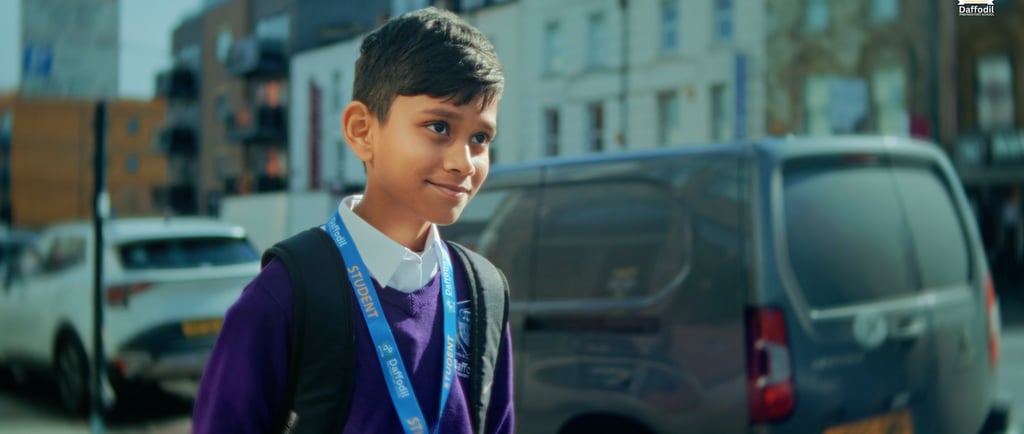
A Guide to Islamic Education in the UK
For hundreds of thousands of Muslim parents across the UK, choosing a school involves an extra dimension. Alongside wanting excellent academics and a safe, nurturing environment, they also wish to provide their children with a grounding in their faith and heritage. This desire to blend modern British education with timeless values is the driving force behind the growing landscape of Islamic education in the UK.
But what does this journey actually look like? The system can seem complex, with options ranging from full-time schools to evening classes. Many might assume all faith schools in the UK are private and fee-paying, but the reality is more varied. Some Islamic schools are state-funded, free to attend, and required to follow the same National Curriculum for Maths and Science as any other state school.
This guide explores the key differences between full-time independent and state-funded Islamic schools, the crucial role of supplementary part-time classes, how these institutions are regulated, what they teach, and how they fit into the broader British educational framework.
Full-Time Islamic Schools: Are They Free or Do You Pay?
When choosing a full-time school, one of the biggest factors for any parent is cost. Islamic schools in the UK mirror the broader education system, offering two main pathways: state-funded schools, which are free to attend, and independent or private schools, which charge fees. This distinction is the starting point for understanding your options.
The differences go beyond just private Islamic school fees. A state-funded Islamic school operates under the same rules as any other state school. It is required to teach the National Curriculum for core subjects like Maths, Science, and English, and is regularly inspected by Ofsted (the Office for Standards in Education). Many have been recognised as Ofsted outstanding Muslim schools, demonstrating high academic and pastoral standards. Private Islamic schools have more flexibility in their curriculum but are also inspected to ensure they meet rigorous educational and welfare standards.
The application process for each type of school is quite different:
State-Funded Islamic Schools
Cost: Free.
Curriculum: Must follow the National Curriculum.
Admissions: Managed through your local council, often with faith-based criteria for some places.
Independent/Private Islamic Schools
Cost: Fees apply.
Curriculum: More flexibility, but must meet national standards.
Admissions: Apply directly to the school, which sets its own entrance criteria.
What Is a Madrasah or Maktab? A Guide to Supplementary Schooling
While full-time Islamic schools are one route, a far more common path for faith education unfolds after the school bell rings. This takes place in a madrasah or maktab—terms for a supplementary school often held in a local mosque or community centre. Functionally similar to a Christian Sunday school or a Jewish cheder, these classes provide part-time religious instruction outside of the mainstream education system, fitting around a child’s regular school life.
The curriculum in these settings is distinct from the National Curriculum, as the central goal is to provide foundational religious literacy. The focus is typically on learning to read the Qur'an in its original Arabic, understanding core Islamic beliefs and practices like prayer, and studying the life of the Prophet Muhammad. Students usually attend for a few hours each evening or for a longer session on the weekend, balancing this commitment with their regular school homework and activities.
For parents, choosing a weekend madrasah in the UK that aligns with their values and schedule is a significant decision. The rise of online Islamic classes for kids in the UK also provides a flexible alternative for busy families, making it crucial to understand how these institutions are regulated to ensure children are safe and well-taught.
How Are Islamic Schools Regulated? A Look at Ofsted and Safeguarding
Full-time Islamic schools, like any other state-funded or independent school, are regulated through a clear and robust framework. They are subject to regular, rigorous inspections by Ofsted (the Office for Standards in Education, Children's Services and Skills). This official government body assesses everything from the quality of teaching to student welfare and school leadership. This system ensures accountability, and many institutions excel under its scrutiny, with a number of Ofsted outstanding Muslim schools demonstrating the high standards being achieved.
Beyond academic inspections, a universal principle applies to every single organisation involving children: safeguarding. This is the legal and moral duty to ensure a child’s environment protects them from all forms of harm. This responsibility extends to all organisations, from sports clubs to the part-time madrasahs that operate in the evenings and on weekends. Every setting, regardless of its size or status, must have clear policies and procedures for keeping children safe.
A crucial part of safeguarding in madrasahs and schools involves vetting staff. Before an adult can work with children in a teaching or supervisory role, they are required to undergo a DBS check (Disclosure and Barring Service). This detailed background check ensures they are a suitable person to be in a position of trust and is a fundamental pillar of child safety, providing reassurance for parents.
What's Actually on the Timetable? Balancing Core Subjects with Faith Studies
The structure of a typical school day is more familiar than many might think. For the majority of the day, the classroom buzzes with subjects that are part of the National Curriculum. Lessons in Maths, English, Science, and History form the backbone of the academic week, ensuring students receive the same core education as their peers in any other UK school. This provides pupils with the qualifications needed for higher education and future careers.
Woven into this schedule are dedicated classes for faith-based learning. The UK Islamic studies curriculum for children in these schools typically includes learning to read Arabic, the language of the Qur’an, and studying the text itself to understand its key messages and stories. These lessons often run alongside sessions on Islamic history and ethics, providing a comprehensive grounding in the faith’s heritage and values.
Beyond specific subjects, many Islamic schools are guided by a philosophy of holistic development known as Tarbiyyah. This is less a formal lesson and more an ethos that runs through the entire school. Tarbiyyah in modern education focuses on nurturing a child’s character, encouraging qualities like honesty, compassion, and social responsibility. The goal is to help students grow into well-rounded individuals who are not just academically successful but also positive and active members of society.
For students wishing to pursue a more intensive religious path, some schools also offer specialised streams like a Hifz programme in UK schools, where students focus on memorising the Qur'an. The overall goal is to provide a balanced education that honours both a child’s British identity and their Muslim faith, preparing them for a life of purpose.
Homeschooling and Online Classes: The Modern Alternatives to Traditional Schooling
For some families, a full-time Islamic school isn't the right fit, whether due to location, cost, or a desire for a more tailored approach. In the UK, homeschooling is a legally recognised educational path, and a growing number of Muslim parents are choosing this option. This doesn’t mean creating a curriculum from scratch, as parents can now access comprehensive resources designed specifically for home education.
Recognising this need, several organisations provide complete homeschooling packages. These ready-made programmes offer lesson plans and materials covering the National Curriculum alongside a UK Islamic studies curriculum for children. This support structure removes much of the guesswork, helping parents deliver a high-quality, balanced education from home.
A different, and increasingly popular, approach is the rise of online Islamic classes for kids in the UK. These live, interactive sessions with qualified teachers offer a flexible supplement to mainstream schooling. Children can learn Arabic, Qur'anic studies, and Islamic ethics from their living room, making quality faith education accessible to families in areas without local provisions or those needing an adaptable timetable.
Making the Right Choice: 7 Questions to Ask Any Islamic School or Madrasah
Finding the right fit for your child is the practical next step. Whether researching full-time schools or deciding on a weekend madrasah, the "best" institution is the one that aligns with your family’s values and priorities. To move beyond a prospectus and understand a school's true character, it’s vital to ask direct questions.
What are your safeguarding policies, and who is the Designated Safeguarding Lead (DSL)—the trained staff member responsible for child protection?
How do you balance Islamic studies with the National Curriculum (for full-time schools)?
What are your staff's qualifications, in both secular subjects and Islamic studies?
How do you nurture a child's character (Tarbiyyah) beyond academics?
How do you support students who are struggling or those who are high-achievers?
How do you prepare pupils to be confident British citizens in a diverse society?
What is the total cost, including any hidden fees for books or trips?
Finding the Right Fit: Your Next Step in Exploring Islamic Education
You can now distinguish between the main educational pathways available: full-time state-funded schools, independent private schools, and supplementary evening or weekend classes. Each path offers a different balance of national curriculum, faith-based learning, and cultural immersion.
This variety in UK faith schools ultimately serves a single, powerful goal shared by any parent: to raise a well-rounded individual. The focus is on nurturing children who are not only academically capable but are also confident in their identity, ready to contribute positively to British society.
Your journey starts with local research. Begin by looking into the options in your area and arranging a visit to see which environment feels right for your child.
Daffodil Preparatory School
161-163 Commercial Road, Tower Hamlets, London, E1 2DA, United Kingdom
Your Local Independent School with Islamic Ethos
Growth
info@daffodilprepschool.org.uk
+44 020 45399 737,
+44 075 7053 6246
Copyright © 2026 Daffodil Preparatory School - All Rights Reserved.
Designed, Developed & Maintained By Blueprint Digital Dynamics
admin@daffodilprepschool.org.uk