
Islamic Education in London: Guide to Schools & Classes
Discover "A Guide to Islamic Education in London" to explore Islamic primary and secondary schools, supplementary classes, and more, ensuring a holistic Islamic education for your child.
ISLAMIC SCHOOL
Nahid Hasan
2/8/20265 min read
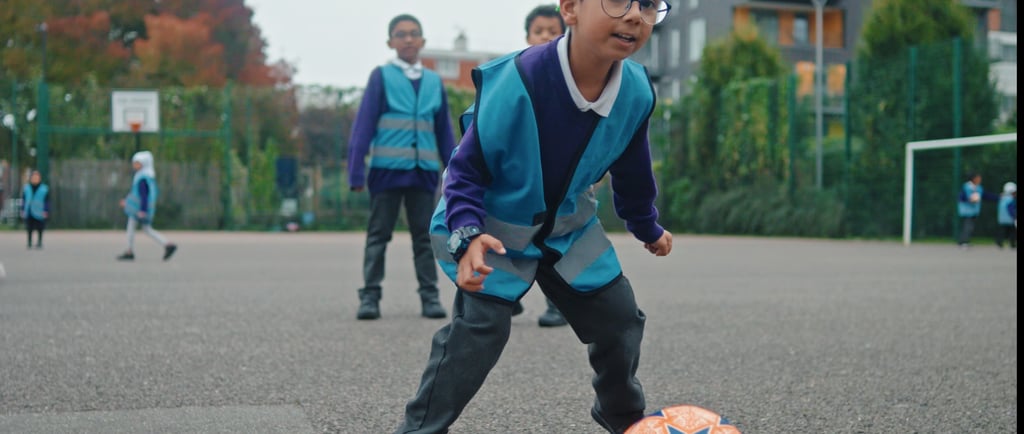
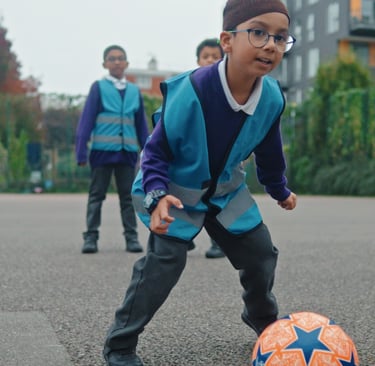
A Guide to Islamic Education in London
You’ve probably walked past them in your London borough: a building labelled 'Islamic School,' a 'Qur'an Academy,' or a community centre buzzing with children after their school day. What happens inside those walls, and what role do these places play in the lives of many Londoners?
This guide offers a clear map for navigating the world of Islamic education, a topic often clouded by confusing terms. We'll explore the options without judgment, helping Muslim families weighing their choices and any Londoner wanting to better understand the city’s diverse cultural fabric.
Islamic education in London follows two main paths: full-time independent schools that operate much like other private schools, and supplementary classes that fit around a child’s mainstream state education, often on evenings or weekends.
Full-Time School vs. After-School Classes: Choosing Your Fundamental Path
For London families, the first major decision is choosing a pathway: an immersive, full-time school or part-time, supplementary classes. This choice depends on your family's goals. Are you seeking a complete educational environment rooted in faith, or a way to complement the mainstream education your child already receives?
Many children continue at their regular state or private school and attend focused Islamic classes on weekday evenings or weekends. Think of these programmes like an after-school club for music or sport; they are designed to fit a standard school schedule. Often held in mosques or community centres, these classes are commonly known as a madrasah (pronounced mad-ra-sah) and typically focus on learning to read the Qur'an and understanding core Islamic principles.
The alternative is a full-time independent Islamic school. Like any private school, students attend all day and study the complete National Curriculum. The key difference is the integration of faith; subjects like Arabic and Quranic studies are part of the daily timetable, all within an Islamic spiritual ethos. The decision hinges on whether you want faith to be an added layer to your child's education or the very foundation of it.
What is a Full-Time Islamic School Really Like?
Day-to-day life inside a full-time Islamic school is surprisingly familiar. These schools must follow the same National Curriculum as any other school in England. This means your child will study for GCSEs and A-Levels in core subjects like Maths, English, and Science, ensuring they receive a robust and transferable education. What makes the curriculum unique is the seamless addition of faith-based subjects, such as Arabic language, Islamic History, and Quranic Studies, timetabled alongside other lessons.
Because these are independent, non-state-funded institutions, they are fee-paying. The cost of Islamic schools in London varies significantly, but you can generally expect to budget several thousand pounds per year. This financial model is the same as for any other private school and is a key factor for families.
All independent schools in England, including faith schools, are registered with and inspected by the Office for Standards in Education, Children's Services and Skills (Ofsted). An inspector will assess everything from teaching quality to student welfare. For parents trying to find the best Islamic primary or secondary schools in London, these public reports are an invaluable tool, offering a transparent look into a school's performance. These schools aim to provide a competitive secular education while nurturing a child’s spiritual and moral identity.
Exploring London’s Part-Time Islamic Learning Landscape
For many families, the most popular path involves supplementary classes that fit around a child’s mainstream schooling. These options run on evenings or weekends and complement a child's existing education, with choices available from Islamic nurseries in East London to adult classes.
The landscape of after-school madrassah programmes in London can be grouped into three main categories:
Mosque-Based Classes (Maktabs): Often the most traditional setting, a maktab (pronounced mak-tub) typically prioritises teaching children how to read the Qur’an and learn the basics of prayer and Islamic practice.
Independent Tuition Centres: Operating more like private tutoring agencies, these may offer a broader, structured curriculum covering Arabic, Islamic history, and ethics, often using modern teaching materials.
Online Academies: A rapidly growing choice, these platforms offer everything from one-on-one tutoring to group classes over video calls. They provide maximum flexibility, making them a great fit for families with difficult commutes or for specific online Islamic courses for teenagers.
Deciding between them comes down to your family’s goals. A local mosque-based class is excellent for building community ties and foundational Quranic skills. An independent or online centre might be better suited for students wanting a deeper, academic exploration of their faith. Some providers even offer specialised part-time Islamic studies for adults, ensuring learning can continue at any age.
What Do Children Actually Learn? A Look Inside the Islamic Studies Curriculum
The curriculum in these classes typically revolves around three core pillars. The first, and most central, is the study of the Qur’an. Most children learn Tajweed (pronounced taj-weed), which are the rules for reciting the Qur’an correctly and melodiously. A far more intensive path is Hifz (pronounced hif-z), where dedicated Quran memorisation programs guide students in committing the entire text to memory.
The study of Arabic naturally follows. Often, the goal is to learn Classical Arabic to understand the Qur’an directly. However, many Arabic language classes for children in London also teach Modern Standard Arabic, the living language used for communication across the Middle East and North Africa. Clarifying which type of Arabic is being taught is a key question for parents.
Finally, "Islamic Studies" acts as the umbrella for everything else. These lessons explore the stories of the prophets, the highlights of Islamic history, and the moral principles that guide daily life, such as honesty, compassion, and community service.
How to Judge Quality: Using Ofsted and Other Clues
For full-time schools and larger tuition centres, the government’s watchdog provides a clear starting point. These institutions are often inspected by Ofsted, and their public reports offer a deep look into a school’s environment beyond the headline rating.
For the many smaller supplementary centres and mosque classes, you become the inspector. Quality clues include a transparent curriculum, clear communication channels with parents, and evidence of teacher training. Finding out about staff qualifications is a key part of learning how to find a qualified Quran teacher in London. These principles are just as crucial when considering enrolling in a Darul Uloom in the UK for more intensive studies.
Above all else, one standard is non-negotiable: safeguarding. Any person working with children must have an up-to-date background check from the Disclosure and Barring Service (DBS). Do not hesitate to ask for confirmation that this policy is strictly enforced, as this commitment to safety is the bedrock of a trustworthy institution.
Your Next Steps: 5 Key Questions to Ask Any School or Centre
Armed with an understanding of what quality looks like, you’re ready to start conversations. A brief chat or visit can reveal a school’s true character far better than any brochure. To gauge if an institution is the right match for your family, consider this practical checklist:
What are your specific learning objectives for a child their age?
Who are the teachers and what are their qualifications and training?
How do you create a positive and encouraging learning atmosphere?
What is the total weekly time and financial commitment?
Can my child attend a trial class to see if it’s a good fit?
These questions help you look beyond the curriculum to the school’s ethos. Most reputable places encourage a trial session, which is the best way to ensure the setting feels right for your child before you commit.
Building a Confident Future
You can now confidently distinguish between the immersive environment of a full-time Islamic school and the flexible model of supplementary education. You’ve moved from wondering what these options are to understanding which questions to ask, empowering you to navigate your choices.
The search for the “best” school begins with a family conversation. Start by deciding which path—full-time or supplementary—best fits your goals and lifestyle. With that choice made, you are ready to explore your local options, knowing you have the right framework to find a place where your child can truly flourish.
Daffodil Preparatory School
161-163 Commercial Road, Tower Hamlets, London, E1 2DA, United Kingdom
Your Local Independent School with Islamic Ethos
Growth
info@daffodilprepschool.org.uk
+44 020 45399 737,
+44 075 7053 6246
Copyright © 2026 Daffodil Preparatory School - All Rights Reserved.
Designed, Developed & Maintained By Blueprint Digital Dynamics
admin@daffodilprepschool.org.uk