
Future of Islamic Schools: Success & Challenges in UK
Discover "The Future of Islamic Schools in Britain," exploring their role, success, and integration in multicultural UK, while teaching British values and achieving academic excellence.
ISLAMIC SCHOOL
Ruchita
2/7/20264 min read
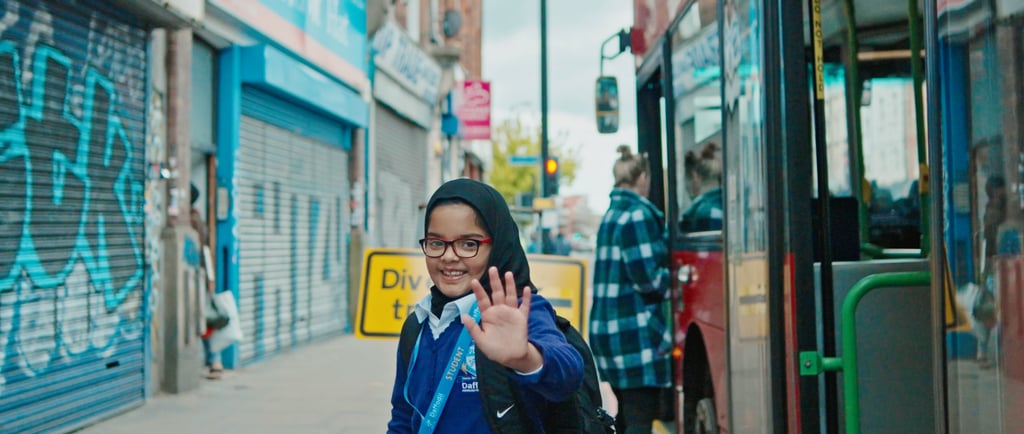
The Future of Islamic Schools in Britain
The top-performing state school in some UK regions isn't a selective grammar school—it's an Islamic girls' school. This fact points to a deeper story happening inside Britain’s over 200 Islamic schools, raising a key question: how are they run, and who holds them to account?
Islamic schools in the UK operate within two familiar structures. A minority, around 20 according to government data, are state-funded, running just like any Church of England school. The vast majority are independent schools, funded by parent fees and donations in the same way as other private schools.
Despite these different funding models, a single standard of oversight applies. Both independent and state-funded Islamic schools are regularly inspected by Ofsted, the government’s Office for Standards in Education. This process ensures all meet strict national criteria for the curriculum, safety, and teaching, providing a unified framework of accountability.
What Do Students Actually Learn in an Islamic School?
The biggest worry for outsiders—that core subjects are replaced by religion—is unfounded. Islamic schools teach the full National Curriculum, meaning lessons in Maths, English, and Science are standard. They follow the same educational framework as any other school in Britain, ensuring a comprehensive secular education.
Faith is integrated alongside these subjects, not in place of them. A typical timetable includes dedicated classes for Islamic Studies and the Arabic language. This approach to religious education aims to complement secular learning, allowing students to develop both their academic knowledge and their spiritual identity.
This dual-focus curriculum prepares students for the same national exams: GCSEs and A-Levels. Earning these standard qualifications is crucial for university admission, which directly ties into the high academic ambitions of many of these schools. But does this model actually lead to success?
Are Islamic Schools Academically Successful?
When it comes to official measures, many Islamic schools perform exceptionally well. A significant number achieve an ‘Outstanding’ rating from Ofsted—the government’s highest possible grade. This indicates excellence not just in teaching but in all aspects of school life, a standard that many schools across the country strive for but few attain.
This success isn't limited to inspections; it's powerfully reflected in national exam results. For years, independent and state-funded Islamic schools have appeared at the top of school league tables, which rank institutions by student grades. In a notable example, a Muslim girls’ school in Blackburn was named the best-performing secondary school in the entire country, outperforming prestigious and selective institutions.
Of course, performance varies, as it does across all UK schools. Yet academic achievement remains a central goal, driving a culture of high aspiration. But while exam results provide a clear metric of success, a more complex question is how these schools prepare students to navigate their identity as citizens in modern, multicultural Britain.
How Do Islamic Schools Navigate 'British Values'?
A crucial part of this preparation involves a mandatory requirement for all UK schools: promoting 'Fundamental British Values'. This framework ensures young people leave school with an appreciation for the principles that underpin British society. For any faith school, this presents the challenge of integrating these national values with its own distinct ethos.
Islamic schools are inspected by Ofsted on how well they teach these four key values:
Democracy
The rule of law
Individual liberty
Mutual respect and tolerance of those with different faiths and beliefs
Rather than treating them as a checklist, many schools actively connect these principles to Islamic teachings. For example, 'mutual respect' is often linked to the Quranic emphasis on kindness to neighbours, regardless of their background. Similarly, school council elections serve as a practical lesson in democracy. The objective is to demonstrate that these values are not alien, but universal. Ultimately, the goal is to cultivate a confident ‘British Muslim’ identity, showing students their faith and nationality are complementary, not contradictory.
What Challenges and Future Trends Will Shape These Schools?
Looking ahead, the most significant hurdle for many Islamic schools is financial. As the majority are independent, they rely on school fees, creating a constant pressure for sustainable funding. This reality is driving a major trend: a growing movement to secure more state-funded places, making this educational choice accessible to more families.
Finding the right staff also presents a challenge. Schools need qualified educators who can not only teach the National Curriculum to a high standard but also skilfully integrate an Islamic ethos into their lessons. This requires a unique form of pedagogical training that is still developing in the UK.
At the same time, these schools are embracing modern educational tools. The introduction of technology like AI into classrooms is a key area of development, prompting important discussions on how these new tools can enhance learning while aligning with Islamic ethical principles.
Ultimately, these developments—from securing stable funding to adopting new technology—point towards a future where Islamic schools are becoming an increasingly established and integrated part of Britain’s diverse educational landscape, continually evolving to meet the needs of their students and society.
The Future Role of Islamic Schools in a Diverse Britain
What might have once been an unclear term, ‘Islamic school’, now represents a diverse and regulated part of Britain’s educational landscape. It is a story of parental choice, rooted in the same principles that guide other faith schools across the country.
At their core, these institutions are tackling a modern challenge: how to nurture citizens who are confident in both their British and Muslim identities, ready to contribute as doctors, artists, and community leaders. The future of Islamic schools in Britain is not a separate story, but a vital chapter in the ongoing narrative of a modern, multicultural nation.
Daffodil Preparatory School
161-163 Commercial Road, Tower Hamlets, London, E1 2DA, United Kingdom
Your Local Independent School with Islamic Ethos
Growth
info@daffodilprepschool.org.uk
+44 020 45399 737,
+44 075 7053 6246
Copyright © 2026 Daffodil Preparatory School - All Rights Reserved.
Designed, Developed & Maintained By Blueprint Digital Dynamics
admin@daffodilprepschool.org.uk